The conversation at
my annual health screening
It was an ordinary Wednesday. I had booked a routine check-up at a clinic near Hatfield in Pretoria — mostly because I had been feeling tired after long days at the office, which I assumed was simply part of getting older.
My GP, Dr. Priya Naidoo, reviewed my chart and said calmly: «Your blood pressure readings have been consistently above the recommended range. We should discuss hypertension management.»
I felt unsettled. My mother had lived with heart-related conditions for years. I understood the seriousness, but I had not expected this conversation in my early fifties.

What my doctor explained —
and what I chose to learn
Dr. Naidoo was clear: hypertension requires ongoing medical supervision. She prescribed medication and recommended lifestyle adjustments — reducing sodium, increasing physical activity, and eating more fruit, vegetables, and whole grains.
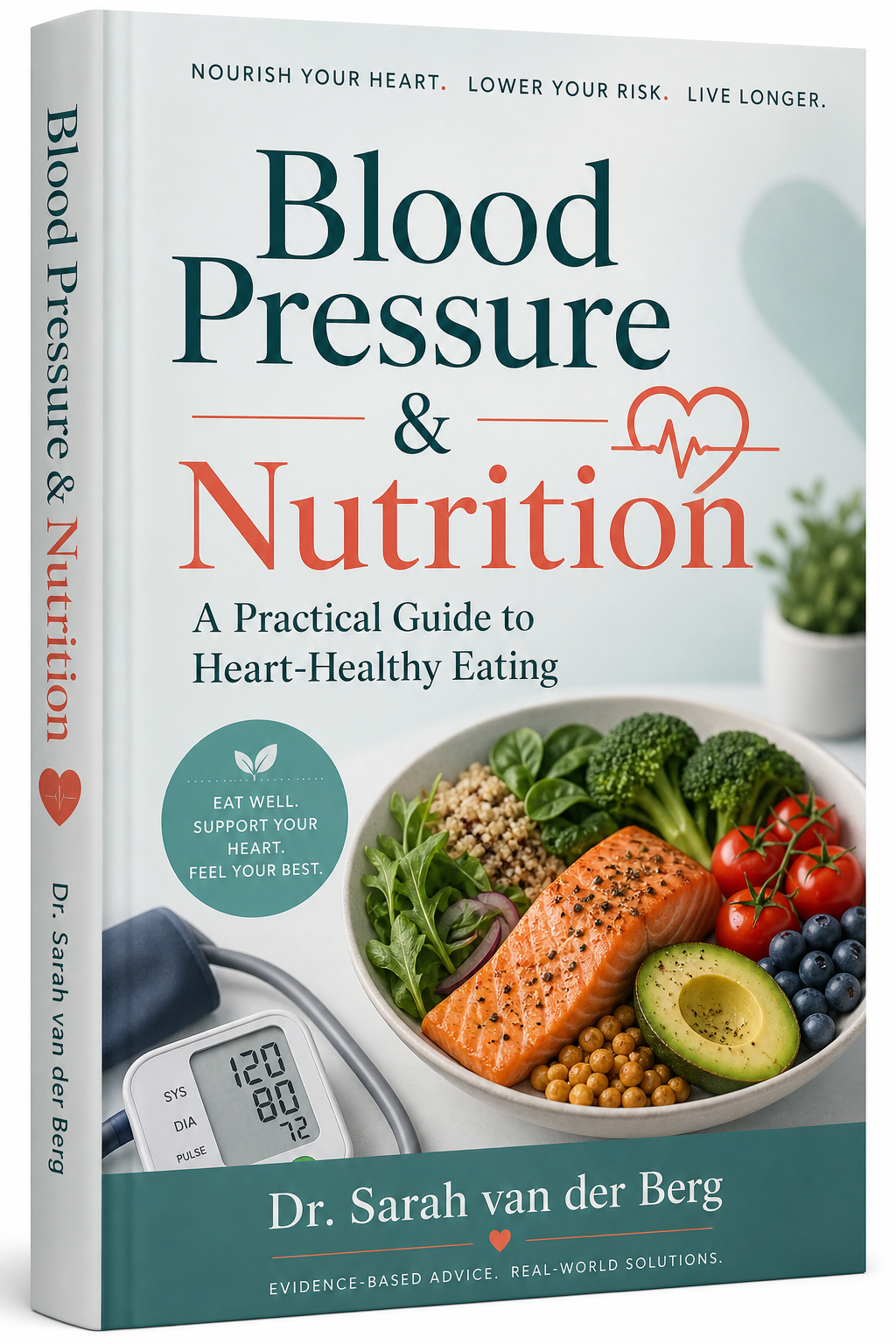
I wanted to understand the reasoning behind each recommendation. A colleague mentioned a practical educational guide: «Blood Pressure & Nutrition: A Practical Guide to Heart-Healthy Eating» by Dr. Sarah van der Berg.
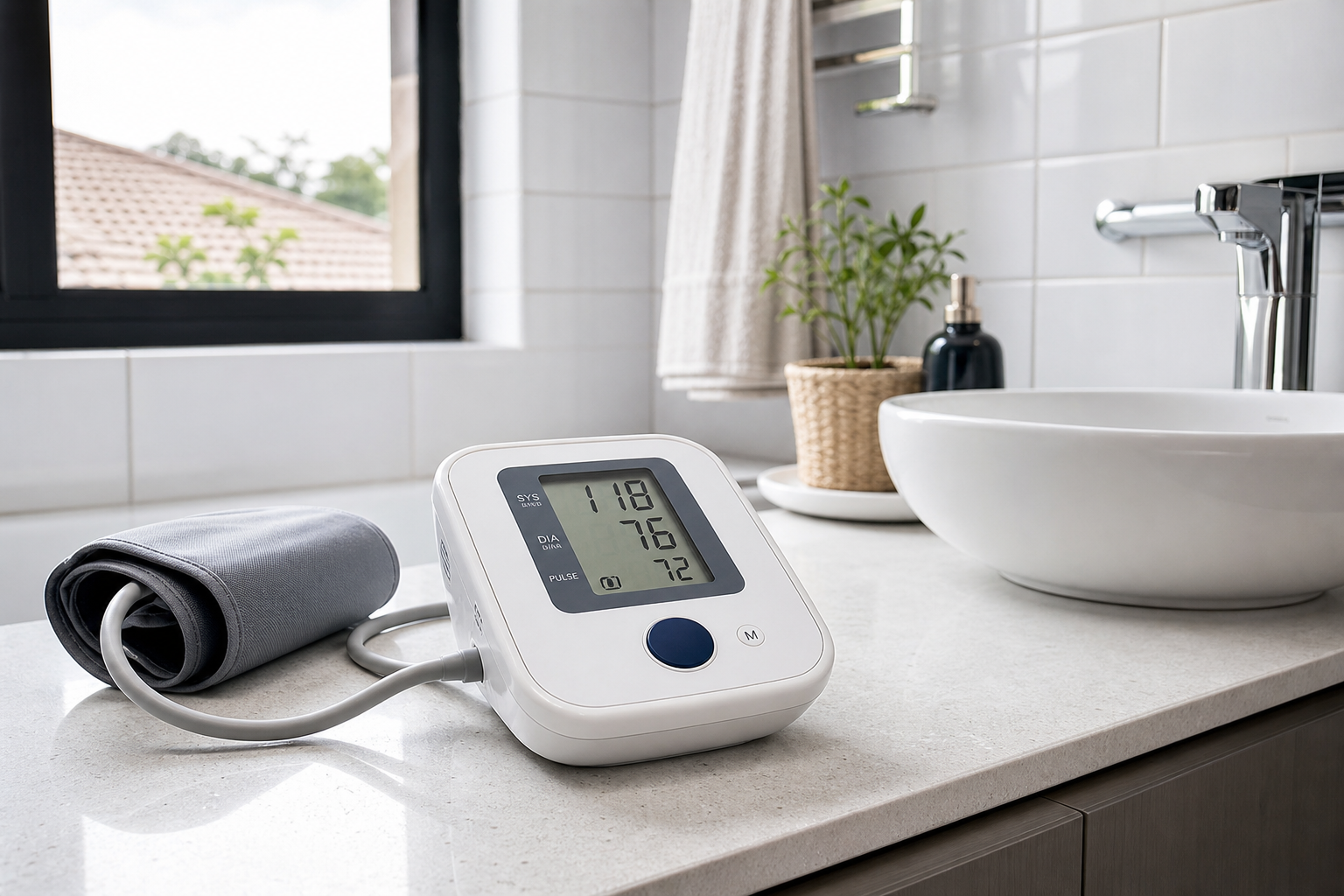
I ordered the digital edition for R 89.00 and read it over a weekend, keeping my blood pressure monitor nearby and a notebook for personal notes.
Small kitchen changes,
one step at a time
The guide presented information in a practical, accessible way. Rather than eliminating foods entirely, it explained how certain nutrients — potassium, calcium, magnesium, and plant-based protein — are commonly discussed in public health literature in relation to cardiovascular wellness.
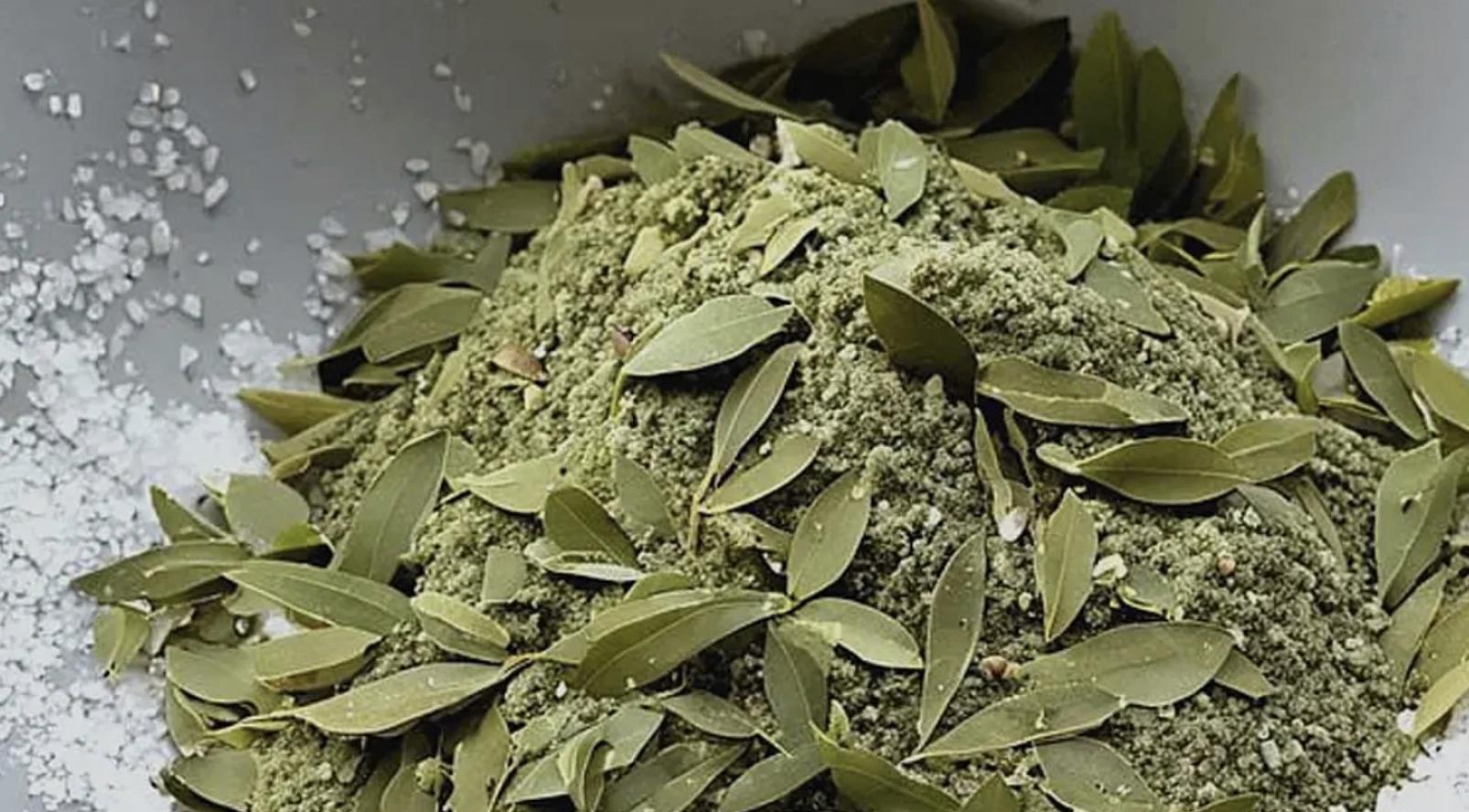
I began with simple adjustments: using herbs and spices instead of extra table salt, adding spinach to lunch, enjoying a small portion of dark chocolate (70% cocoa) occasionally, and walking 30 minutes along the Hatfield loop most mornings.
At follow-up visits, Dr. Naidoo reviewed my readings and managed any medication adjustments. I still take prescribed medication as directed. I feel more informed about my daily routine, but I recognise that individual responses to lifestyle changes vary considerably.